One of the biggest challenges for students planning to study at a university in Germany is knowing which documents are required for the application process and how to prepare them. The differing application processes for Uni-Assist and direct university applications can be confusing for many applicants. This guide summarizes the current document requirements for Turkish students applying for undergraduate programs in Germany; why each document is needed; and critical points to consider before applying, in a clear and understandable way.
In Germany, applications can be submitted through the universities’ own systems or via Uni-Assist. Most of the required documents are similar for both application types; however, the submission format, verification process, and translation/apostillation requirements may vary from school to school. Therefore, it is important to check the program-specific requirements before applying.
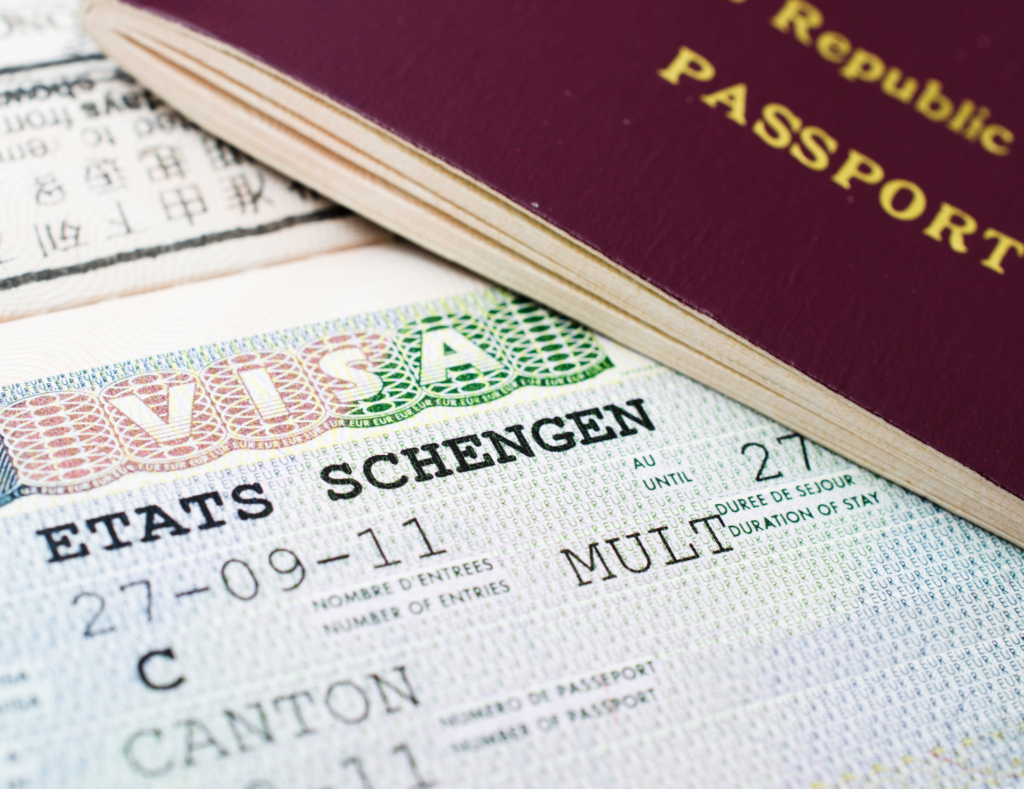
Generally, the following documents are required for license applications:
These documents are available at many universities.sworn translation, notarization and apostilleThis is subject to certain conditions. The university’s application guide specifies separately which document must be submitted in which format.
In Germany, evaluation is not based solely on diploma grades; your educational background is examined holistically. The number of years you received education, the high school system you graduated from, whether you were accepted to a university in Turkey, and whether you have a preparatory year/first-year experience directly affect your application process.
Therefore, while some candidates may be directly admitted to the undergraduate program, others may be directed to the Studienkolleg (university preparatory) program. Determining the correct application path depends on the correct interpretation of the documents.
The language certificate you submit must be in the same language as the program. German-language programs typically require test results from exams like TestDaF, Telc C1 Hochschule, or DSH, while English-language programs often prefer certificates like IELTS or TOEFL. Minimum score requirements may vary from program to program. While some universities offer conditional acceptance, this is not the case at every institution.
In Germany, applications are not based solely on academic credentials. Universities also value the applicant’s reasons for choosing the relevant program, career goals, motivation for choosing Germany, and personal development journey. Therefore, a personal, coherent, and well-planned cover letter directly impacts the quality of the application. Ready-made texts or automated translations can weaken the application.
The most common challenges for students applying through Uni-Assist are document formatting, apostille requirements, and in some cases, the need to submit physical documents. While some programs only require digital uploads, others may require documents to be sent by mail. Therefore, it is crucial to carefully review the “special requirements” section for each program.

The most common errors leading to application rejection are: submitting documents in Turkish, lack of notarization or apostille, uploading incorrect language documents, failure to attach application fee receipts, missing application deadlines, or content inconsistencies between documents. Most errors can be avoided with a simple pre-application check.
In Germany, application processes are tailored to individual profiles. While some students can directly enter university, for others a preparatory year, additional language courses, or Studienkolleg may be a more suitable path. Therefore, application planning should be done by considering GPA, educational background, language level, and career goals together.
We begin by conducting a detailed profile analysis of applications, then collaboratively create a list of suitable programs, a plan of necessary documents, and an application schedule. This ensures the process is based on a clear and controlled roadmap, rather than guesswork.
If you are considering applying to Germany and want to clarify which documents are required for your profile, we can review your profile together. If you share your current application stage, we can determine the most appropriate application process.