
For many Turkish students, the primary concern when moving abroad is the ability to sustain themselves financially. In 2026, Dubai has positioned itself as the most student-friendly city in the Middle East by integrating work directly into the study experience. Unlike the complicated processes often found in Europe, Dubai offers a streamlined approach that allows you to focus on your English or academic studies while building a local bank account.
The work-study model in Dubai is designed to be practical. Most language school students find that the city operates at a high speed, creating a constant demand for part-time staff. Whether it is working at a high-end boutique in Dubai Mall or assisting in the booming events industry, the opportunities are diverse. For Turkish students, your multilingual skills are a major asset. Being fluent in Turkish and learning English allows you to bridge the gap for many international businesses operating in the region.
The most significant update for 2026 is the expansion of student work rights. International students are now officially permitted to work up to 25 hours per week during the academic term. This shift has made Dubai a serious competitor to traditional destinations like Ireland or Australia. To work legally, students must obtain a part-time work permit from the Ministry of Human Resources and Emiratisation (MoHRE). The process is fast and digital, often completed within a few business days once you have your Emirates ID and a No Objection Certificate (NOC) from your school.

While there is no official minimum wage in the UAE, the market for student jobs has become quite stable in 2026. On average, students can expect to earn between 25 AED and 45 AED per hour. This means a student working the full 25 hours can earn approximately 2,500 AED to 4,500 AED per month. This income is typically enough to cover monthly groceries, transportation, and social outings. Many employers also provide additional benefits such as transport allowances or duty meals, which significantly reduce a student’s monthly overhead.
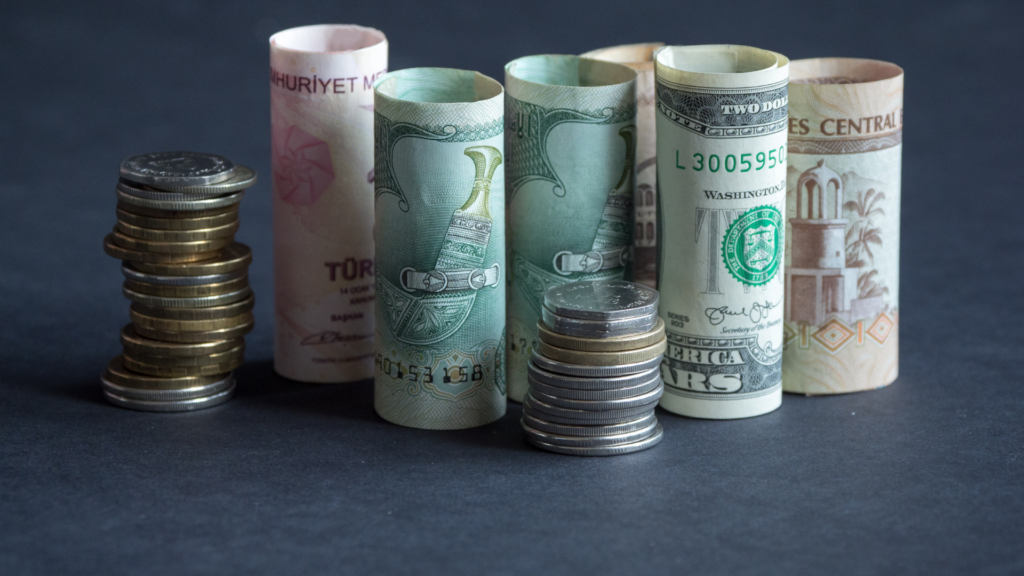
Living in a futuristic hub like Dubai requires smart budgeting. While rent is the largest expense, sharing accommodation in areas like Al Nahda or Discovery Gardens can bring costs down to around 1,500–2,500 AED per month. Using the Nol Card for public transport—especially with the 50% student discount available in 2026—can keep your travel budget under 300 AED. By cooking at home and using local supermarket chains like Viva or Lulu, students can manage their food expenses very effectively, leaving more room for the city’s famous leisure activities.
The service and hospitality sectors remain the biggest employers for international students. Roles like barista, retail assistant, or event host are always in high demand. However, with the rise of the digital economy in 2026, many students also find freelance or project-based work in social media management, translation, or photography. Networking is the most effective way to find these roles. Joining student groups and attending local industry mixers at the Dubai World Trade Centre can often lead to a job offer faster than traditional online applications.
Dubai is a bridge between Turkey and the rest of the world. With thousands of Turkish tourists and business professionals visiting every month, companies in the luxury and hospitality sectors actively seek staff who can speak Turkish. Whether it is a Turkish-owned restaurant chain or a global brand looking to cater to Turkish investors, your cultural background is a professional “superpower” in this market. This unique advantage often allows Turkish students to secure higher-paying promoter or guest relations roles compared to other international peers.